.png)
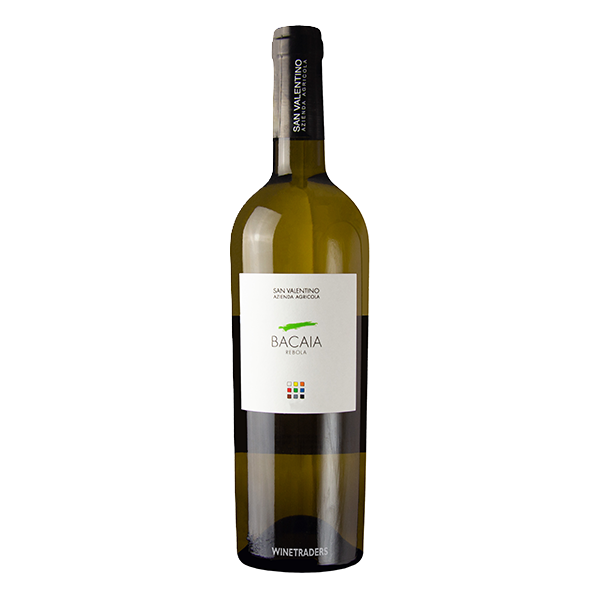
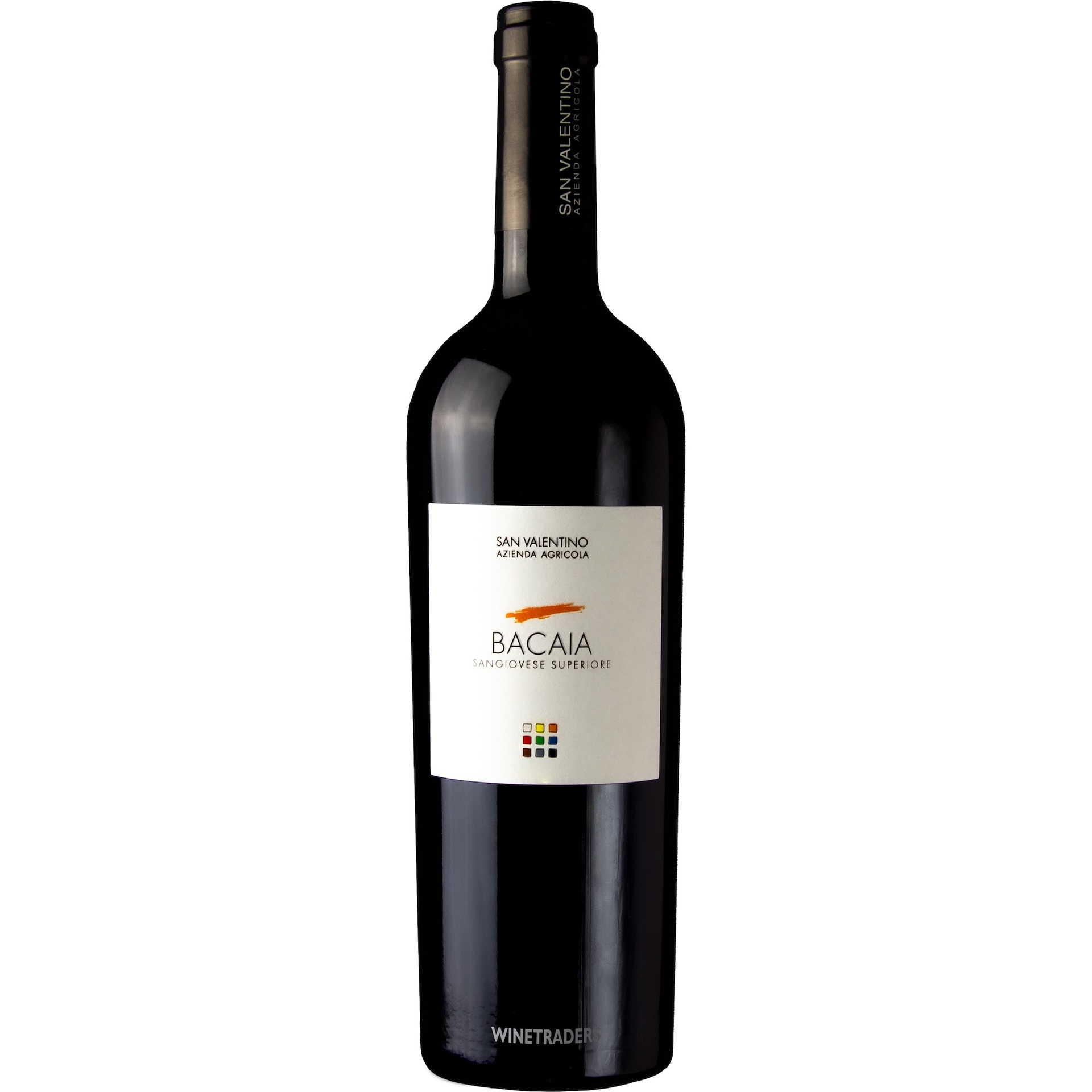
Romagna Sangiovese Superiore DOP 'Bacaia'
Emilia Romagna, Italy
Bacaia represents a step up in concentration and complexity, produced from low-yielding, organically grown Sangiovese vines on Romagna’s marl and clay slopes. Fermentation is slow and temperature-controlled, followed by maturation in large oak casks for added structure. The wine is both generous and refined. Expect aromas of sour cherry, dried herbs, spice and a touch of leather. The palate is medium-bodied and well-structured, with firm but polished tannins and lingering red fruit. There’s a savoury undercurrent that brings food-friendliness and ageing potential. A serious yet versatile red, ideal with roast pork, mushroom pasta or mature cheeses.
Technical Sheet
.jpg)
The Producer
If you put a pin in the map two kilometres north of San Marino (the world's smallest republic) it would probably land on San Valentino. And while tax havens are all very well, it's the constant breeze off the sea that makes more difference to the wines here. With no rot to worry about Roberto Mascarin can afford to pick late, relying on the chill nights to retain acidity. Viticulture is meticulous (a sort of 'bio-lite', using the biodynamic calendar but no animal products) and the winemaking ultra-modern. Much is done in Stainelss steel and Luca d’Attoma keeps a watchful eye on operations.
Not only are these wines delicious, they are also exceptional value. The Rubicone Sangiovese is bursting with red fruit and is sourced largely from his neighbours’ vineyards. This is a must buy house red. The Sangiovese di Romagna Bacaia kicks things up a gear with genuine concentration and flavours of black cherry, blueberry, damp earth, and sweet spice. The Grechetto (here called Rebola to avoid confusion with the Pignoletto DOC) is actually Grechetto di Todi – vastly superior to that found in most of Umbria. With ten months on lees this combines a lovely waxiness with stone fruit and considerable heft. Grechetto di Todi rocks – you heard it here first.
.jpg)
.jpg)
.jpg)
.jpg)
.jpg)