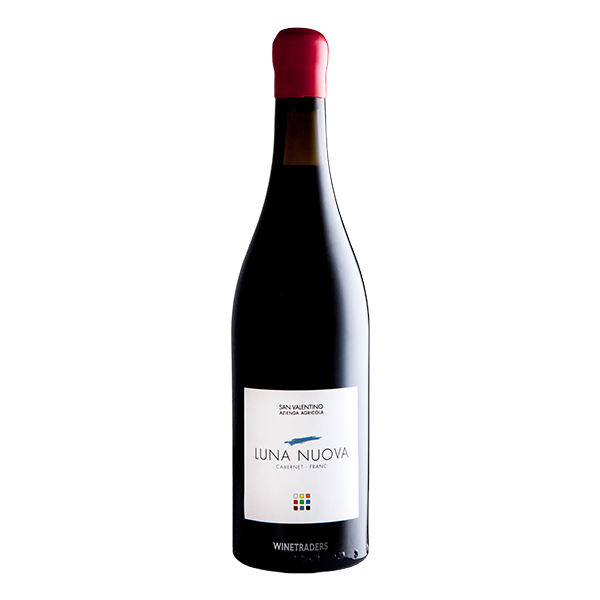
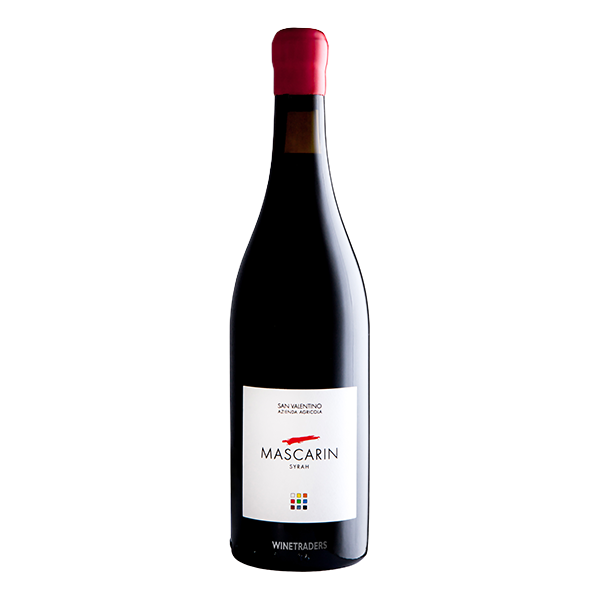
.jpg)
.png)
Colli di Rimini Rebola DOC 'Bacaia'
Emilia Romagna, Italy
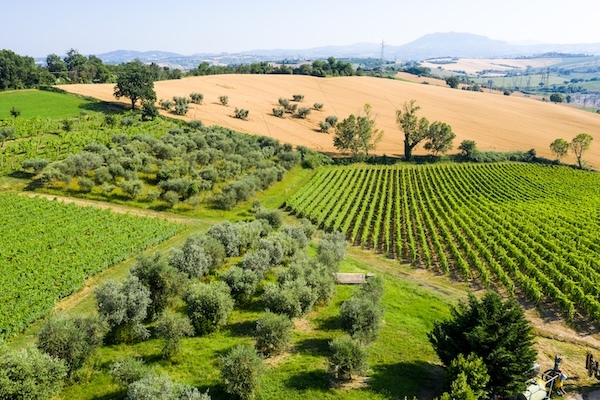
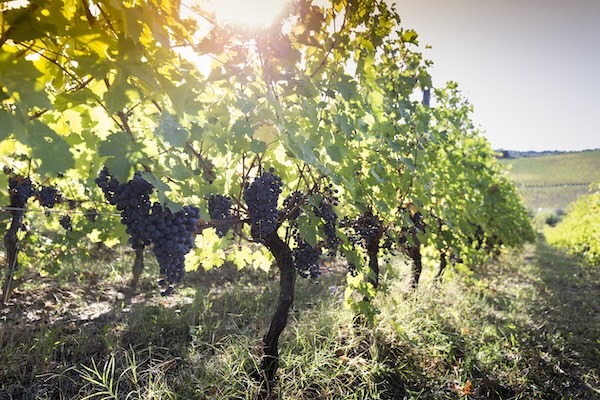
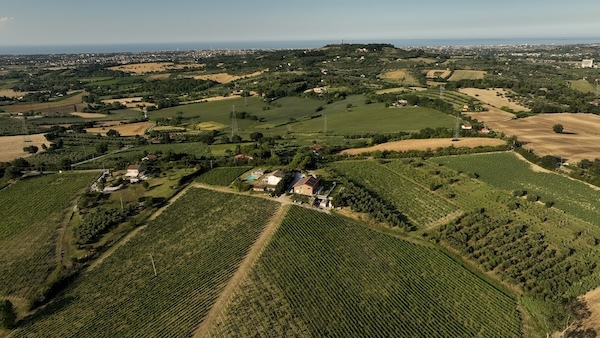
Rebola is the local name for a distinctive biotype of Grechetto grown along the Adriatic coast, yielding full-flavoured whites with structure and savoury depth. ‘Bacaia’ is farmed organically on San Valentino’s hillside vineyards, where the Mediterranean influence maintains ripeness and aromatic finesse. The wine is fermented and aged on lees in steel, preserving fruit while adding volume. Expect aromas of ripe pear, lemon balm, sea breeze and chamomile. The palate is round and textured with crisp acidity and saline finish, showing both generosity and freshness. Pair with grilled fish, seafood pasta or roast poultry. A coastal white with real gastronomic versatility.
Technical Sheet
The Producer
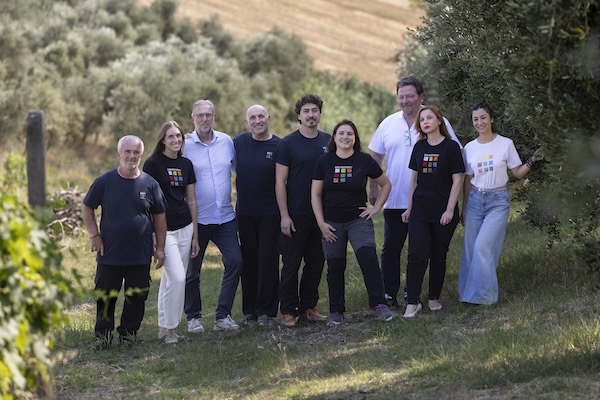
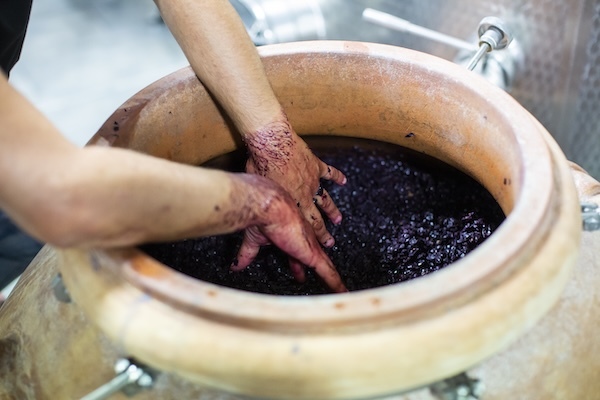
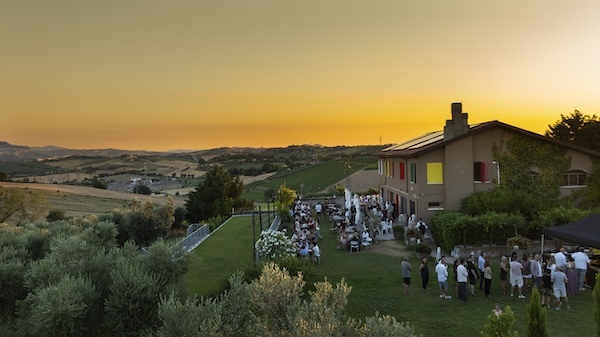
If you put a pin in the map two kilometres north of San Marino (the world's smallest republic) it would probably land on San Valentino. And while tax havens are all very well, it's the constant breeze off the sea that makes more difference to the wines here. With no rot to worry about Roberto Mascarin can afford to pick late, relying on the chill nights to retain acidity. Viticulture is meticulous (a sort of 'bio-lite', using the biodynamic calendar but no animal products) and the winemaking ultra-modern. Much is done in Stainelss steel and Luca d’Attoma keeps a watchful eye on operations.
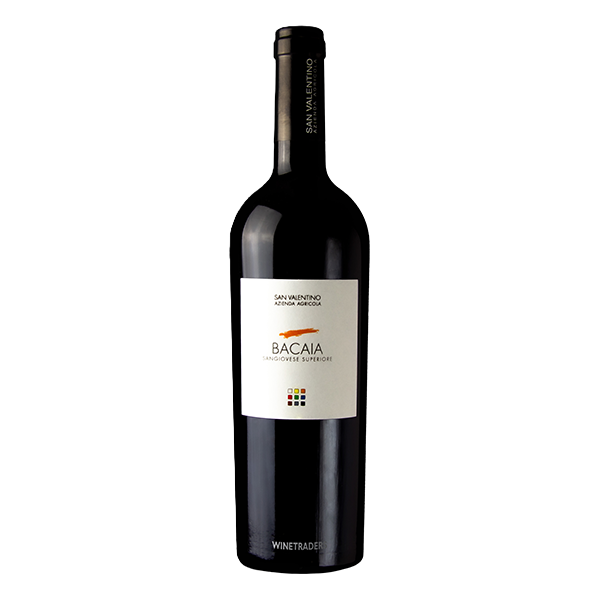
Not only are these wines delicious, they are also exceptional value. The Rubicone Sangiovese is bursting with red fruit and is sourced largely from his neighbours’ vineyards. This is a must buy house red. The Sangiovese di Romagna Bacaia kicks things up a gear with genuine concentration and flavours of black cherry, blueberry, damp earth, and sweet spice. The Grechetto (here called Rebola to avoid confusion with the Pignoletto DOC) is actually Grechetto di Todi – vastly superior to that found in most of Umbria. With ten months on lees this combines a lovely waxiness with stone fruit and considerable heft. Grechetto di Todi rocks – you heard it here first.